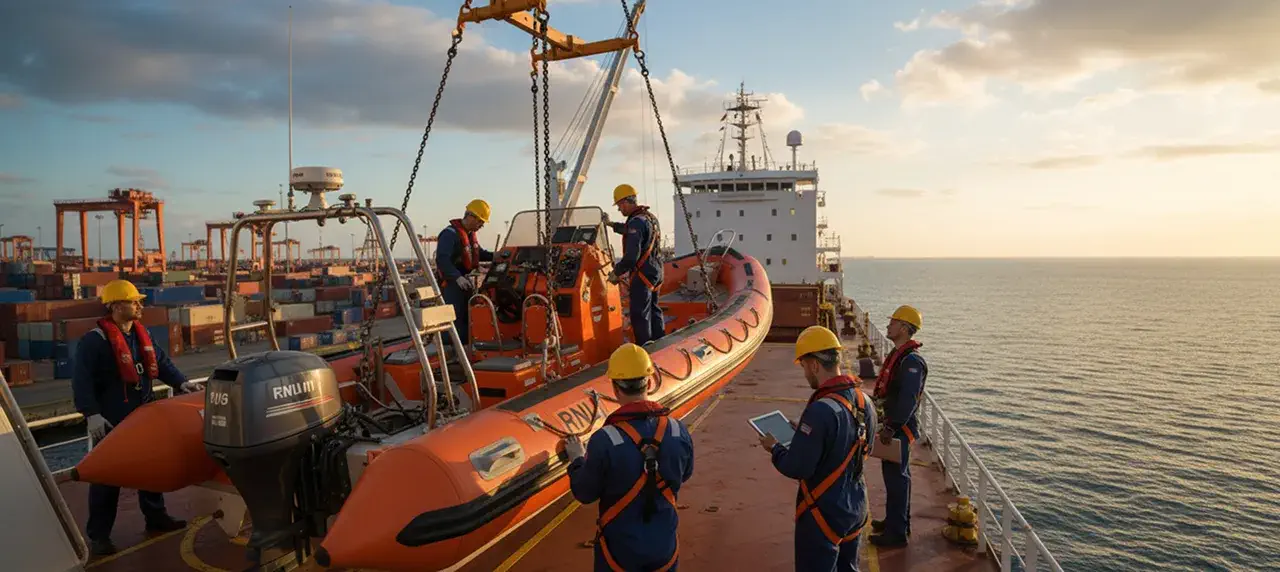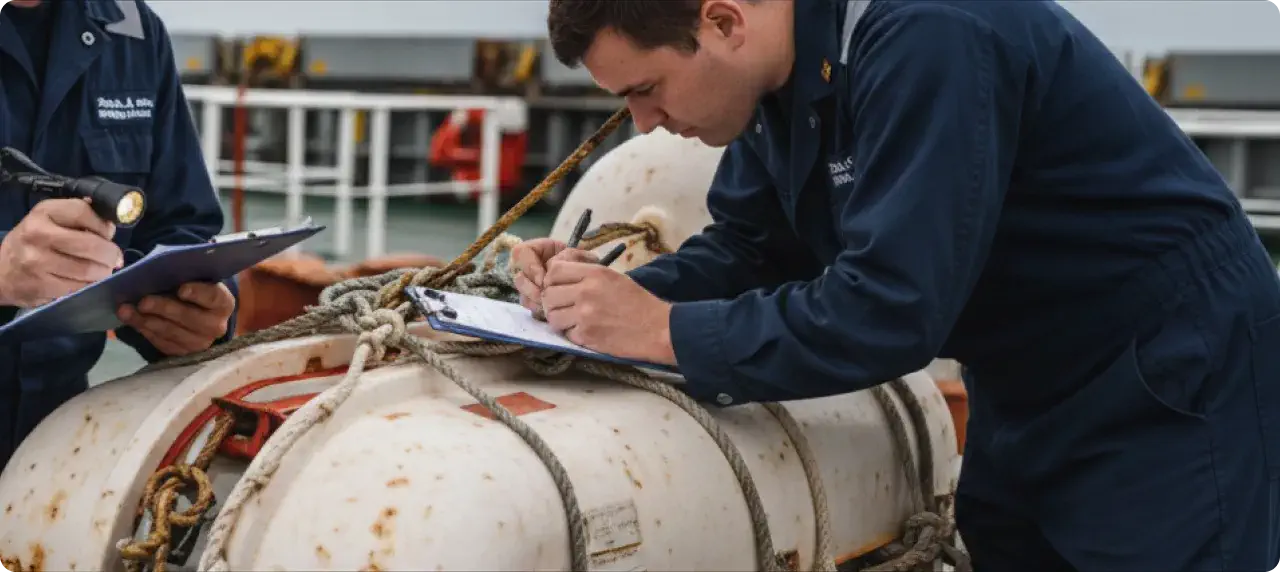

The regulatory environment governing marine and offshore life-saving appliances is not static. Itevolves in response to accidents, technological advancement, and the changing nature of themaritime industry. For operators and service providers, staying ahead of what’s coming is asimportant as staying current with what already applies.
Autonomous Vessels and New Safety Frameworks
FrameworksThe IMO is actively developing regulatory frameworks for autonomous and remotely operated ships. These vessels present fundamentally new challenges for life-saving appliance design: if there is no crew on board, what does LSA compliance look like? How are survival craft deployed?What role does remote monitoring play in ensuring equipment readiness?These questions do not yet have regulatory answers, but they are shaping discussions at the IMO’s Maritime Safety Committee. Operators investing in autonomous or semi-autonomous platforms should monitor these developments closely.
Alternative Fuels and Fire/LSA Implications
The IMO has committed to developing regulatory frameworks for methanol, LPG, hydrogen, and ammonia-fuel led vessels, with implementation timelines expected in 2025–2026. These fuels present different fire risks and toxicity profiles compared to conventional marine fuels, and their introduction will require corresponding updates to life-saving appliance standards. For example, fire-protected lifeboats designed for conventional oil tankers may not provide adequate protection in an ammonia fire scenario. Self-contained air-support systems — already required for lifeboats on vessels carrying toxic cargoes — will become more relevant as alternative fuels proliferate.
Digital Technology and Compliance Management
One of the most practical developments in the near-term is the growing use of digital platforms to manage LSA maintenance records, service schedules, and certification documentation. As STCW electronic certificates become the norm from 2025 onwards, and as flag administrations build digital compliance infrastructure, vessel operators who invest in robust digital compliance management will be better positioned for PSC inspections and vetting requirements.